

Can luck really influence your gambling outcomes? A deep dive into chance
The Nature of Luck in Gambling
Luck is often referred to as a mysterious force that impacts the outcomes of events we cannot control. In the realm of gambling, where fortune seems to play a significant role, many players attribute their wins and losses to luck. However, the concept of luck is subjective and varies from person to person. While some believe luck is a magical force that can be harnessed, others see it as purely random chance devoid of any influence.
This divergence in perception raises the question: can luck really influence gambling outcomes? To answer this, we must analyze the underlying mechanics of games and how randomization plays into the experiences of gamblers. Online platforms, such as australian online casinos, utilize algorithms designed to ensure fairness and randomness, challenging the notion that external luck can significantly sway game outcomes.

Furthermore, the psychological aspect of luck in gambling cannot be overlooked. Many players carry superstitions or rituals they believe will sway their luck in their favor. These practices range from wearing lucky charms to choosing certain numbers that have personal significance. This human inclination to find patterns in randomness suggests a deeper psychological investment in the concept of luck, providing players with a sense of control in an otherwise uncertain environment.
The Role of Probability and Randomness
In the world of gambling, probability is paramount. Every game, whether it’s a slot machine or blackjack, operates on mathematical principles that dictate the odds of winning or losing. Understanding these odds provides players with a clearer picture of what to expect. For example, each spin on a video slot is independent of the last, and the likelihood of hitting the jackpot remains the same regardless of previous outcomes. This randomness creates a level playing field where luck may seem pivotal but is mathematically governed.
Moreover, when players interpret their experiences through a lens of luck, they may overlook the importance of understanding probabilities. Gamblers often remember their wins and forget their losses, a psychological phenomenon known as the ‘availability heuristic.’ This means they may mistakenly believe luck is on their side when, in reality, they are simply experiencing outcomes that fit their narrative of luck.
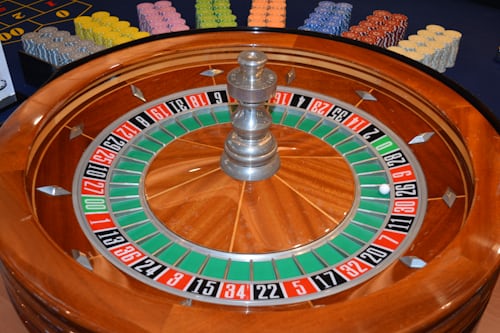
In addition, understanding the mathematics of gambling can help players make more informed decisions. While luck may play a role in individual outcomes, comprehending the odds and the house edge improves one’s chances. Players who educate themselves about the games they choose and the related probabilities can approach gambling with a more strategic mindset, leading to more fulfilling experiences.
The Illusion of Skill and Strategy
Many gamblers believe that skill or strategy can overturn luck, especially in games like poker, where psychological and mathematical tactics come into play. While it is true that informed decisions can improve outcomes, they do not eliminate the role of chance. Even the most skilled players cannot consistently predict the outcome of a shuffled deck of cards or the results of a dice roll.
This intertwining of luck and skill creates an illusion for players, further complicating their understanding of gambling outcomes. The rewarding rush of a good hand or an unexpected win can lead to the false belief that skill is a primary driver, blinding players to the fact that luck still significantly influences their experiences. In essence, while strategy can enhance the probability of success, it does not guarantee a favorable outcome in the context of a game heavily reliant on chance.
Moreover, this false sense of skill can lead to overconfidence, prompting players to engage in riskier behaviors. Believing they are more skilled than they are can result in chasing losses or increasing wagers, ultimately leading to financial strain. This gap between perceived skill and actual probabilities is a critical factor in the gambling cycle.
The Psychology Behind the Belief in Luck
The belief in luck often stems from cultural narratives and personal experiences where coincidences seem to validate its existence. Gamblers may feel more empowered by attributing their outcomes to luck, allowing them to cope with losses or setbacks. This mental framework also encourages continued participation in gambling activities, as players are motivated by the hope of a lucky streak or a miraculous win.
However, this psychological reliance on luck can also have negative consequences. Gamblers may fall into a cycle of chasing losses, driven by the hope that their luck will eventually turn around. Such beliefs can lead to compulsive gambling tendencies, where individuals are unable to recognize the inherent risks involved. Hence, while luck can provide short-term excitement or joy, it is crucial to approach gambling with a balanced understanding of its psychological and mathematical aspects.
Additionally, the phenomenon of cognitive dissonance often plays a role in gambling behaviors. Players who lose may rationalize their losses by believing that luck will change, reinforcing their commitment to gambling. This mindset can lead to an emotional rollercoaster where wins feel exhilarating, while losses generate feelings of frustration and confusion, further entrenching the belief in luck.
Exploring Online Gambling Platforms
As gambling increasingly moves online, the conversation about luck and outcomes has evolved. Websites providing gambling services, such as online casinos, are engineered to provide a fair and unpredictable environment. The algorithms they employ ensure that each player’s chances are identical, illustrating how probability governs outcomes more than the whimsical nature of luck.
Additionally, these platforms often emphasize gambling as a form of entertainment rather than a guaranteed way to make money. By fostering an understanding that results are driven by chance and probability, online casinos can promote responsible gambling practices. Therefore, players are encouraged to recognize the significance of luck as part of the experience while maintaining a realistic perspective regarding expectations and risk management.
Moreover, online platforms often provide tools and features to assist players in making informed decisions. These tools may include self-assessment quizzes, spending limits, and informative guides about the odds of various games. These enhancements reinforce the idea that while luck may momentarily influence outcomes, responsible gambling practices are fundamental to maintaining control and enjoying the experience.

Leave A Comment